
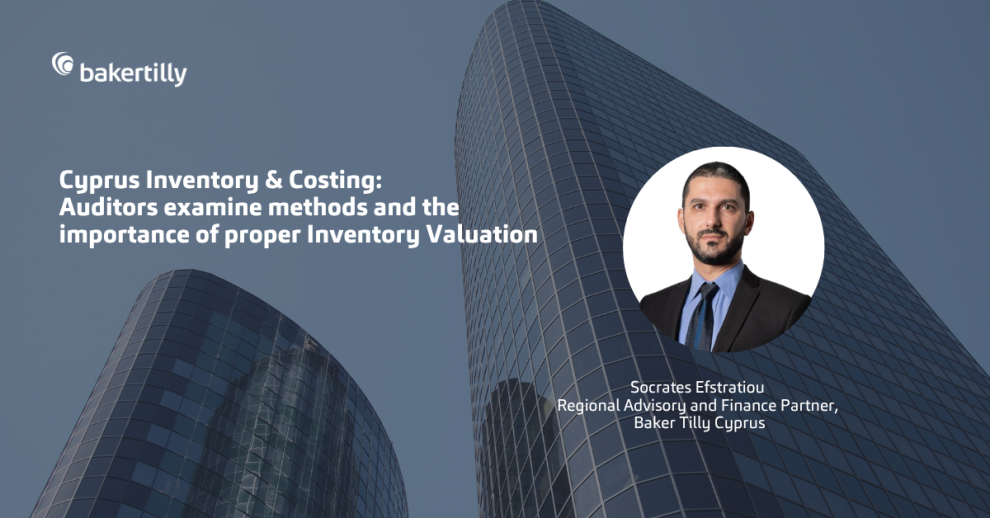
Inventory & Costing: Auditors examine methods and the importance of proper Inventory Valuation

Inventory is often one of the most significant assets on a company’s balance sheet, therefore is one of the most critical areas to audit. Inventory costing determines how the cost of goods sold (COGS) and ending inventory is calculated. The choice of inventory costing method—whether First-In, First-Out (FIFO), Last-In, First-Out (LIFO), or Weighted Average Cost—can…

Read more

ECB treads a fine balancing act by holding interest rates steady

Emeritus Professor Joe Nellis is economic adviser at MHA, the accountancy and advisory firm. The ECB’s decision to leave interest rates unchanged was expected, following inflation falling in June for the first time this year. After raising interest rates last month, the ECB has shown patience while they assess whether higher borrowing costs are effectively…

Read more

Consolidation and Control Issues for Non-Profit Organizations: Looking Beyond Ownership

For many non-profit organizations (NPOs), preparing consolidated financial statements is not always straightforward. Unlike the corporate sector, where ownership is often the determining factor, consolidation under IFRS 10 Consolidated Financial Statements is based on control. This distinction frequently creates challenges, particularly for organizations operating through foundations, charitable trusts, subsidiaries, or affiliated entities.  In practice, one of the most common misconceptions is that an entity…

Read more

What Internal Auditors Are Flagging in the Retail, Consumer & Hospitality Sector

The retail, consumer, and hospitality sectors continue to operate in an environment shaped by rising costs, changing consumer behaviour, and increasing digitalisation. While these pressures are well understood, what is becoming increasingly evident through internal audits is that many of the underlying risks are operational rather than purely financial. Organizations that address these risks proactively…

Read more

How technology is rewriting legal profitability

The legal profession has historically been regarded as one of the most traditional sectors in the business world. Many law firms have traditionally relied on structures and working practices that changed only gradually, supported by predictable billing models and labour-intensive processes. That is changing. The relentless march of technology is now changing the legal industry…

Read more

Time or talent? The profitability dilemma facing professional services firms

For many years professional services firms in sectors such as law, consultancy, accountancy, marketing and software development have relied for their profitability on charging clients for the number of hours worked. The growing adoption of artificial intelligence and other disruptive technologies is now challenging this model, traditionally based on rewarding time and workload. As AI…

Read more

Tax Refresher – Issue 36

We are pleased to bring you Issue 36 of Tax Refresher, our bi-monthly newsletter designed specifically for large corporate and international businesses, helping you stay informed on the latest tax, VAT, and employment tax developments impacting organisations operating across multiple jurisdictions. In this Pillar Two special edition of Tax Refresher, you will find the below…

Read more